Finished Cleaning the Table? Check the Corner Guards Before Returning the Room to Use
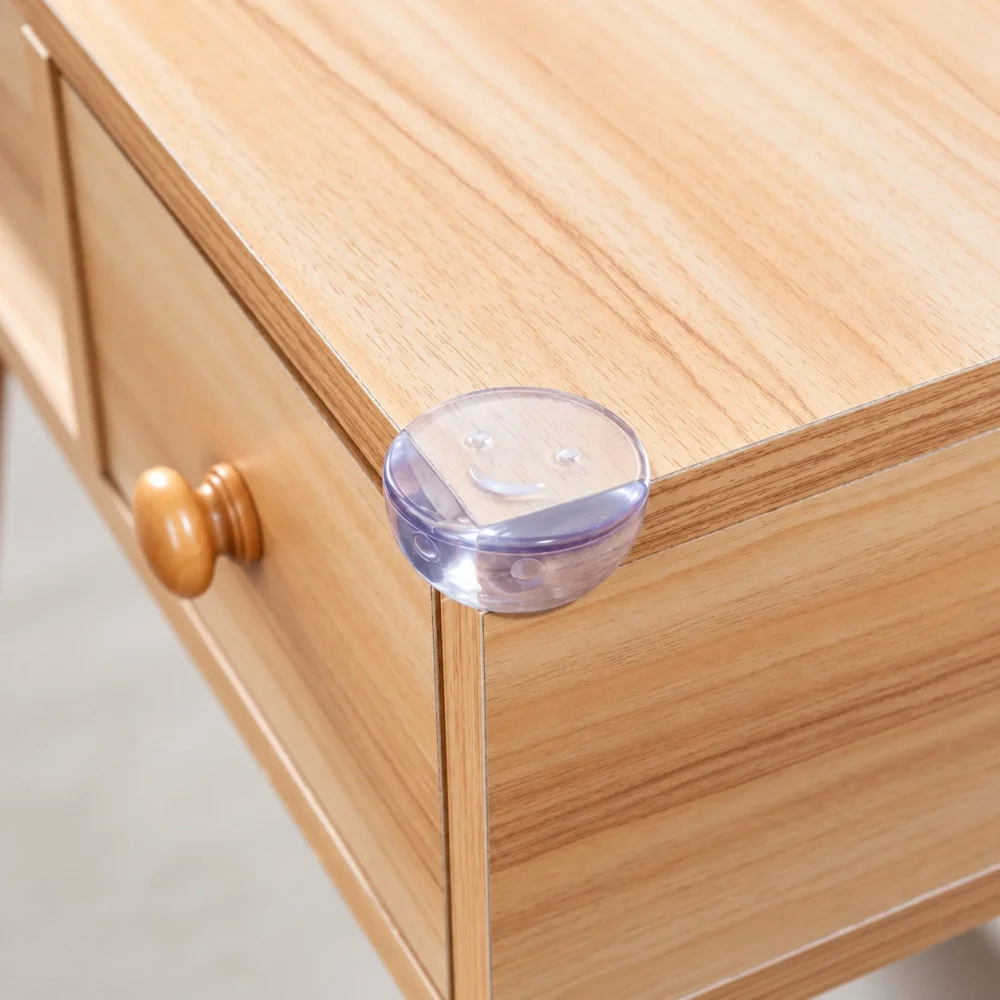
Finished Cleaning the Table? Check the Corner Guards Before Returning the Room to Use
After wiping a table, take a moment to look at its corner protectors. A clean surface does not tell you whether every guard remains correctly positioned. A cloth may have caught an edge, or you may notice a lifted section that was less obvious before cleaning.
This short review is about checking the existing installation. You do not need to remove securely attached guards simply to inspect them. Start by looking at their position and condition, then follow the product’s instructions when checking the attachment.
Look at the corner from more than one direction
Check whether each protector still covers the intended protruding point. A piece can remain partly attached while tilting enough to expose the hard corner on one side.
Look for a raised edge, a gap that was not there before or visible damage to the material. Avoid judging the attachment solely from how clear or tidy the guard looks.
If something has changed, keep children away from the affected area while you assess it. Do not use an impact test or involve a child in checking whether the protector works.
Notice how the cleaning was carried out
Think about whether the cloth caught against a protector or whether liquid reached its attachment area. These observations can help you understand a change, but they do not automatically establish why an adhesive has loosened.
Follow both the furniture’s care guidance and the protector’s instructions. A cleaning product suitable for one surface is not necessarily appropriate for another finish or adhesive.
Do not pull a fitted guard aside to clean underneath it. If the area requires removal for proper cleaning, treat that as a separate removal and reinstallation decision.
Deal with a loose piece before continuing
If a protector is detached or loose enough to come away, remove it from children’s reach. A separated piece may present a choking hazard to young children. Collect loose adhesive and backing material as well.
Do not simply press the piece back down and assume the original attachment has been restored. Review the condition of the guard, the surface and the adhesive instructions before deciding what to do next.
The complete furniture corner protector fit and installation guide explains surface checks, installation considerations and the limits of reusing an adhesive attachment.
Keep replacement decisions specific to the location
A replacement should suit the actual corner rather than merely resemble the previous piece. Check the shape and available contact area, especially if the earlier guard repeatedly lifted.
The K&M four-piece clear furniture corner protector set includes flexible silicone guards and double-sided adhesive strips. Compare the listed dimensions with your furniture and follow the supplied installation instructions.
Do not assume an old strip can be reused or apply a guessed waiting period. If necessary instructions are missing, request clarification before relying on the new installation.
Tell other caregivers when a corner needs attention
If you remove a guard, let the other adults using the room know which corner is affected. Otherwise, someone may reasonably assume the previous arrangement remains unchanged.
A brief, specific message is enough: identify the location and explain that the attachment is being reviewed. Keep the loose piece safely out of reach while the issue is resolved.
This is particularly useful when one person cleans the furniture and another supervises the child afterwards.
Finish with a wider room check
Before returning the area to ordinary use, check that cleaning has not left furniture in an awkward position or small materials within reach. Corner guards are supplementary measures; they do not stabilise furniture, prevent every injury or replace supervision.
You can explore household accessories at K&M Shopping.
Make the review part of finishing the cleaning: check coverage, notice any lifting, deal with loose pieces and communicate unresolved areas. That keeps attention on the condition of the installation rather than its appearance alone.


Comments
Post a Comment