Sharing a Car? Recheck Your Seat-Side Organizer After a Driver Change
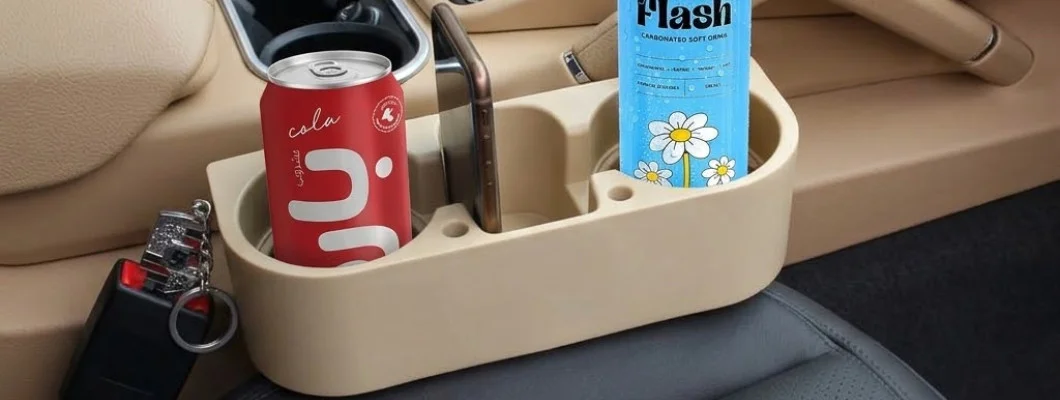
Sharing a Car? Recheck Your Seat-Side Organizer After a Driver Change
You adjust the seat, check the mirrors, and prepare to leave. But what about the organizer beside the seat?
An arrangement that suited the previous driver may need reviewing after the seat position changes. A different occupant may also bring a different bottle or need a different amount of personal space.
For households that share a vehicle, a short parked check can help identify an inconvenient setup before the journey begins.
Start with the Person, Not the Accessory
Set the seat to your normal driving position according to the vehicle’s instructions. Do not adopt an awkward position simply to accommodate an organizer.
Then review the surrounding area. Can you fasten and release the seat belt normally? Is access to the vehicle’s controls clear? Does anything press against you or interfere with ordinary use?
Consult the vehicle manual for guidance about accessories and safety equipment. If compatibility is uncertain, seek qualified advice instead of assuming that an accessory is suitable because it fits into a visible gap.
Notice What Changed
A shared car does not always return in the same configuration. The previous driver may have moved the seat, added belongings, or removed and replaced the organizer during cleaning.
Check the actual arrangement rather than relying on how you remember it. If a product appears displaced, empty it before assessing its position according to its instructions.
Do not force it back into place or add improvised packing to compensate for an unsuitable fit. If normal seat adjustment creates a problem, reconsider the location or accessory.
Keep Each Person’s Belongings Separate
Storage can become confusing when several people leave items in the same compartments. A cable, receipt, or empty container may remain long after its owner’s journey has finished.
Agree on a simple handover rule: take personal belongings out, remove empty packaging, and leave shared items in their usual place.
This makes the next check easier. You can see the organizer and its contents instead of sorting through an unexplained collection before setting off.
It also helps prevent extra storage from becoming permanent clutter.
Check the Current Bottle or Cup
The next driver may use a different drink container. Compatibility with yesterday’s bottle does not establish compatibility with today’s reusable cup.
Check the relevant dimensions and product requirements. If trying a suitable container for the first time, begin with it empty while the vehicle is parked.
A parked check can reveal obvious fit problems, but it does not prove spill prevention or performance under every road condition. Complete adjustments before departure, and stop safely if something needs attention during the journey.
Choose Around Your Shared Routine
When comparing accessories, consider everyone who regularly uses the seat. A product that must be awkwardly repositioned for each person may not suit the household’s routine.
The Multi-Purpose Car Cup Holder from K&M Shopping combines two drink openings with additional small-item storage. Review its dimensions and placement requirements here:
https://k-m.store/shop/en/car-cup-holder-multi-purpose
Do not assume universal vehicle or cup compatibility. Where a relevant measurement is missing, ask for clarification before ordering.
For the complete guide to installation-space checks, cup sizes, and everyday organization, read:
https://k-m.store/shop/en/extra-car-cup-holder-seat-gap-fit-guide
A Simple Handover Checklist
Before the next driver leaves:
Adjust the seat for the occupant.
Review the accessory’s position according to instructions.
Confirm normal access to the belt and controls.
Remove belongings left from the previous journey.
Check any different drink container.
Finish all adjustments while parked.
If you need to compare other organization options, browse with your shared requirements in mind:
https://k-m.store/
A useful car organizer should accommodate your routine without asking occupants to work around it. Reviewing the setup after a driver change keeps the decision grounded in the vehicle’s current arrangement, rather than yesterday’s fit.


Comments
Post a Comment